
Understanding Horse Racing Betting Odds in the UK
Horse racing is one of the oldest and most celebrated sports worldwide, and the UK is renowned for its rich history in this area. One of the key components that bettors need to understand is the betting odds. These odds are essential for determining how much a bettor can win on a race. In this article, we will delve into the different types of Horse Racing Betting Odds UK horse racing betting odds UK, how to interpret them, and tips for making informed betting decisions.
What Are Betting Odds?
Betting odds represent the probability of a particular outcome occurring in a race. They can be expressed in various formats, with fractional, decimal, and moneyline odds being the most common. In horse racing, odds are set by bookmakers and fluctuate based on various factors such as the horse’s performance, the jockey’s skill, and the conditions of the race.
Types of Odds in Horse Racing
Fractional Odds
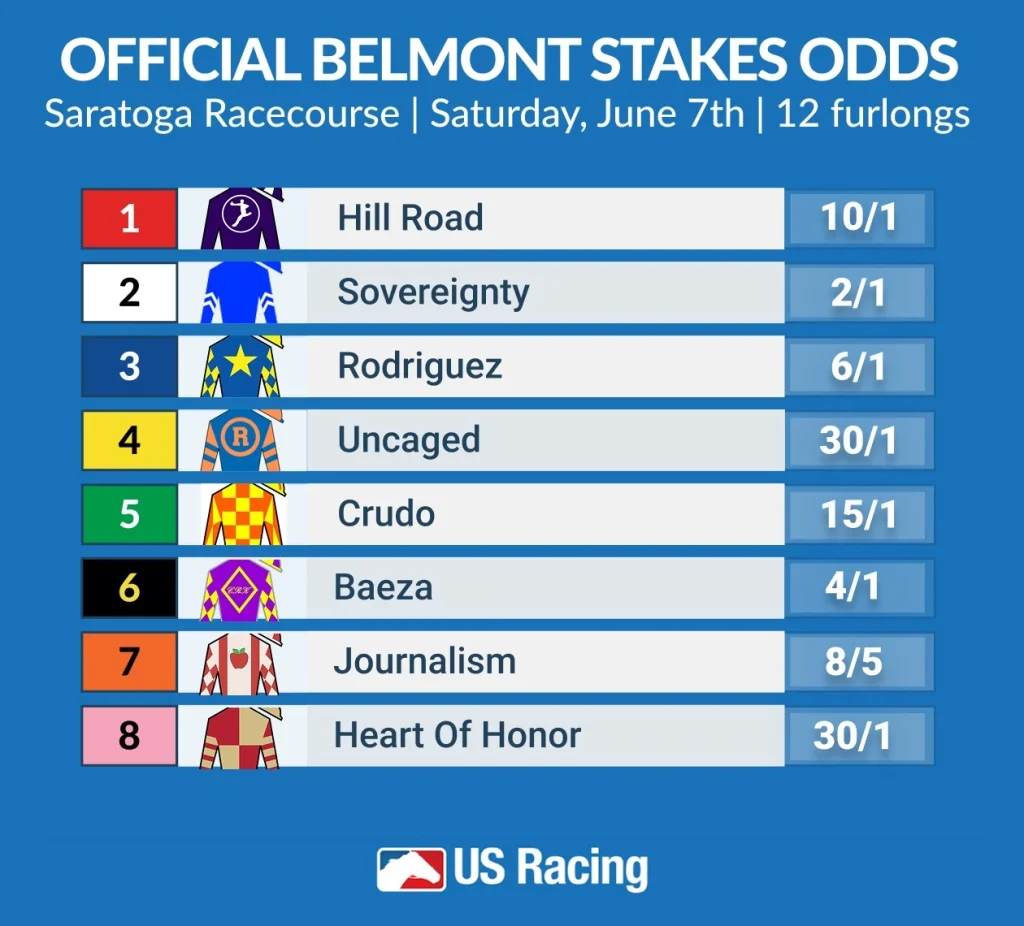
Fractional odds are the traditional format used in horse racing betting in the UK. They are displayed as a fraction, such as 5/1 or 10/3. The first number (the numerator) represents the profit you would make if you wager the amount of the second number (the denominator). For instance, if you bet £10 at 5/1, you would win £50 in profit if your horse wins, plus your original stake back, totaling £60.
Decimal Odds
Decimal odds are more commonly used in Europe and are increasing in popularity in the UK. They show the total return on a winning bet, including the stake. For example, if the odds are 6.00 and you bet £10, you would receive £60 if your horse wins (£10 x 6.00).
Moneyline Odds
Moneyline odds are primarily used in American betting. They can be positive or negative. Positive odds indicate how much profit you would make on a £100 bet, while negative odds show how much you need to bet to make £100 profit. This format is less common in UK horse racing but is worth being aware of if you bet on international races.
How Odds Are Determined
Bookmakers set the odds based on various factors that can influence the race outcome. These include:
- Horse Form: The recent performance of the horse, including wins, places, and overall fitness.
- Jockey and Trainer: The experience and skill of the jockey and trainer can significantly impact the odds.
- Track Conditions: Weather and track conditions can favor certain horses, affecting their chances of winning.
- Betting Patterns: The amount of money being bet on certain horses can lead bookmakers to adjust the odds to manage their liabilities.
Reading the Odds
Understanding how to read odds is crucial for any bettor. The odds not only indicate how much you can win but also allow you to gauge the likelihood of a horse winning. Generally, lower odds suggest a higher probability of winning, while higher odds indicate a lower chance. However, it’s important to remember that in horse racing, surprises happen frequently, and a horse with longer odds can still pull off a victory.
Strategies for Betting
To enhance your chances of making successful bets, consider the following strategies:
1. Research and Analysis
Before placing any bets, conduct thorough research. Look at the horse’s form, the jockey’s performance, and past race conditions. Websites and publications that provide racing tips, analyses, and statistics can be invaluable resources.
2. Bet Responsibly
It’s easy to get caught up in the excitement of horse racing, but it’s crucial to set a budget and stick to it. Never bet more than you can afford to lose, and avoid chasing losses.
3. Use Multiple Bookmakers
Different bookmakers may offer slightly different odds on the same race. Shopping around for the best available odds can maximize your potential returns. Online betting exchanges also allow you to compare odds easily.
4. Look for Value Bets
A value bet occurs when the odds offered by a bookmaker are higher than the true probability of the event happening. Identifying these opportunities can lead to long-term profit.
Conclusion
Understanding horse racing betting odds is essential for anyone looking to participate in this thrilling sport. By familiarizing yourself with the different types of odds, how they are determined, and developing sound betting strategies, you can enhance your enjoyment and potentially increase your winnings. Remember that while betting can be exciting, it should always be approached with caution and responsibility.
In conclusion, whether you are a seasoned bettor or a newcomer to horse racing, mastering the odds can serve as your compass in navigating the complex world of betting. Good luck, and may your next bet be a winning one!